

Creating digital worlds with real-world engineering.
Gabriel Interactive is a games and simulation studio in Germantown, Tennessee. Founded in Indianapolis in 1999, the worlds we build have ranged from retail video games to mission-grade simulation — engineered with modern tools by a proven and passionate team of developers, designers and domain experts.
Michael Root founded Gabriel Interactive in Indianapolis in 1999 to make video games — and did. Fourteen commercial titles over the studio’s first decade: the Robot Arena series (250,000+ units), and the John Deere-branded line (750,000+ units) under a license negotiated directly with Deere & Company. Titles published through Atari, Infogrames, Activision, ValuSoft, and Destineer; boxes sold at Walmart, Target, Best Buy, and Staples; registered developer status on Xbox and PlayStation.
The studio was never only games. As Principal Investigator on National Cancer Institute SBIR grants, Gabriel built clinical software deployed across research sites — an early signal that game-engine discipline travels well beyond entertainment.
The years that followed proved it at scale, through its founder’s work on NASA launch-vehicle avionics simulation, the Army’s next-generation UAS ground control station, high-energy laser systems, AI/ML pipelines, autonomous systems, and pediatric cancer research infrastructure at St. Jude. The discipline that ships a retail game — real-time performance, hard deadlines, zero tolerance for crashes in someone’s living room — turned out to be exactly what simulation and defense programs need.
Today, from Germantown, Tennessee, the studio splits its work evenly between the two: entertainment on one side; serious simulation, scientific computing, and program leadership on the other. Twenty-five years on, that dual practice is the point. Each side sharpens the other.
Senior leadership
Your project is led by a principal with decades of shipped work — engaged directly, from the first conversation through delivery.
Specialists per project
Specialists matched to each project’s scope — experienced artists, engineers, and domain experts assigned to fit the work at hand.
Two disciplines, one bar
Most teams do one or the other. We do both — so your project gets a game’s standard of performance and a simulation’s standard of correctness.

Thirty-plus years across commercial games, defense and aerospace systems, biomedical research, and enterprise software — as a hands-on architect, engineering leader, and business owner, often all three at once.
Before founding Gabriel, Michael was Director of Development at Sunstorm Interactive, where he produced Deer Hunter — the title that grew the hunting-simulation market from $4M to $90M a year and sold millions of copies — and grew the studio from 4 to 25 people across 17 titles.
At Gabriel he ran the business as well as the code: sourcing and negotiating the John Deere brand license directly with Deere & Company, managing publisher relationships with EA, Activision, THQ, and Atari, and owning P&L and go-to-market across the studio’s run — while personally authoring the engine systems underneath it all.
The defense and research résumé runs just as deep: avionics modeling & simulation for NASA’s Ares I and SLS launch vehicles, engineering leadership on the Army’s Universal Ground Control Station under a $175M IDIQ, AI/ML pipelines for high-energy laser systems, FACE-compliant autonomous systems, and the image-database platform architecture at pediatric cancer research, St. Jude Children’s Research Hospital.
Depth Gabriel draws on in every engagement — earned by its founder across defense primes, NASA contractors, and research institutions.
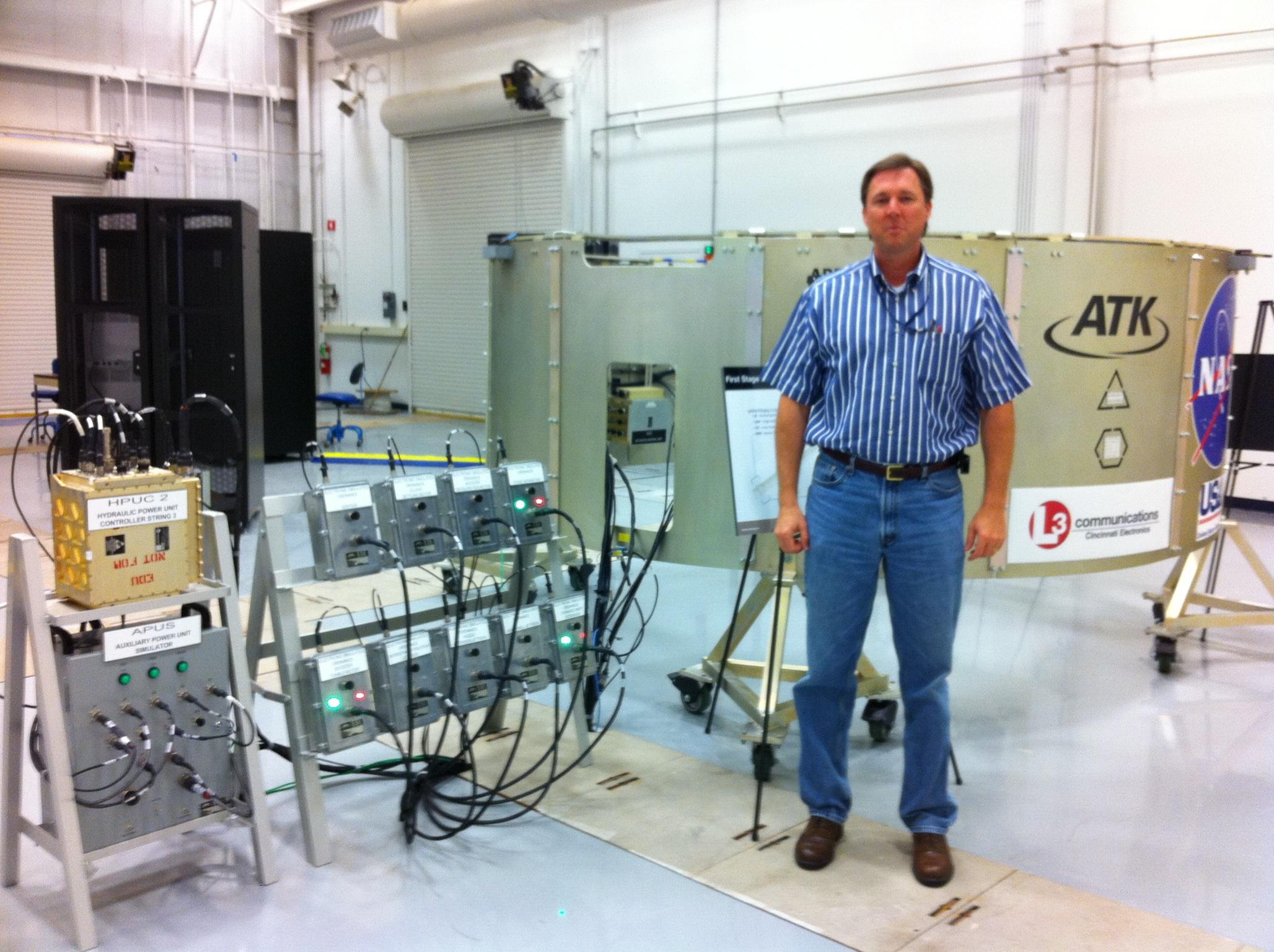
Avionics software & systems
Real-time avionics modeling & simulation for NASA launch vehicles — a hardware-verification component library for Ares I First Stage integrated into the Marshall Space Flight Center SIL, MIL-STD-1553B data bus analysis tooling, and core stage avionics simulation for the Space Launch System.
VxWorks/C++ flight software environment for SLS.
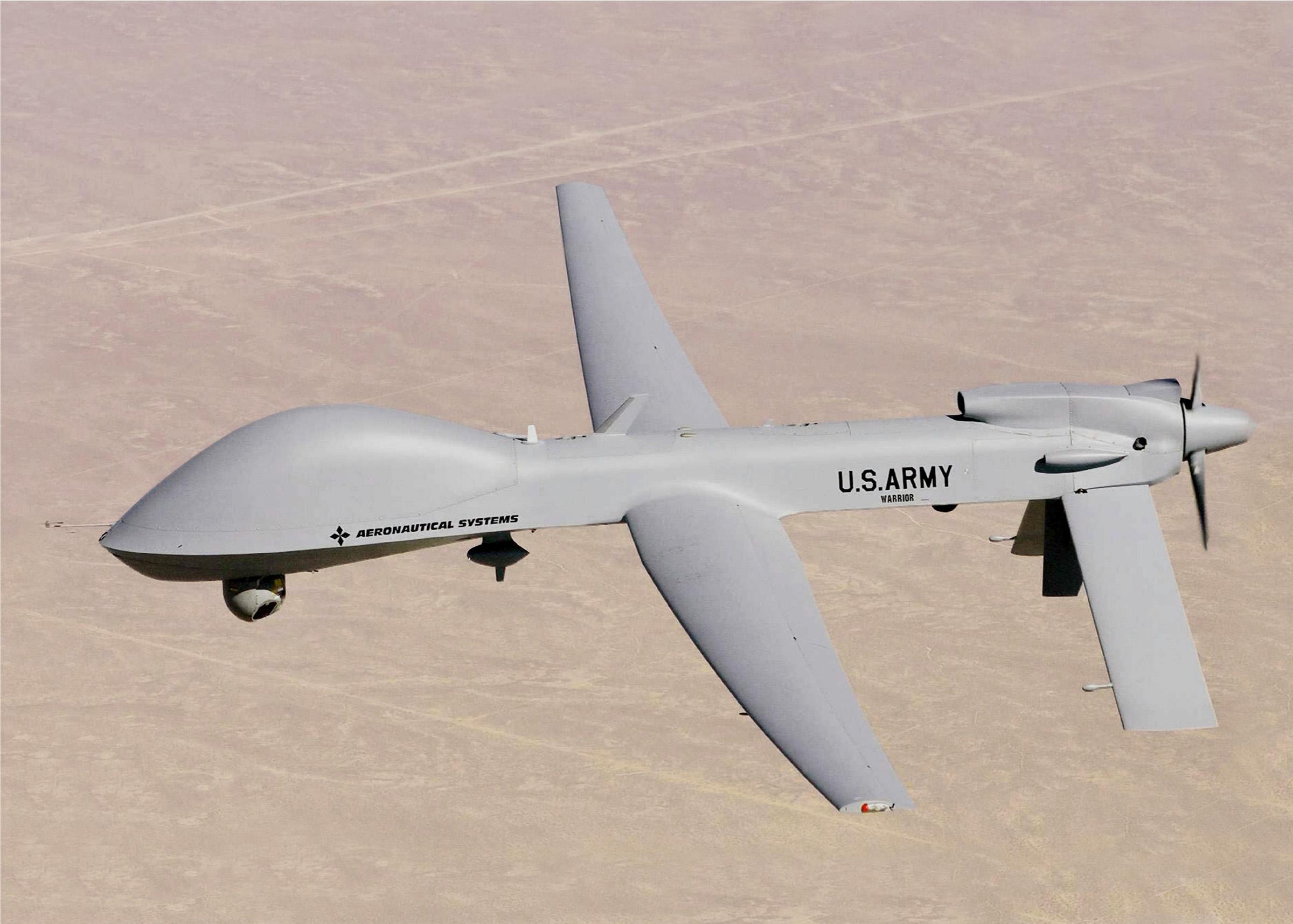
UAS software & systems
Engineering leadership on the Army’s next-generation Universal Ground Control Station under a $175M IDIQ — service-oriented, FACE-aligned C++/Java software for unmanned aircraft command and control — plus production leadership on the Gray Eagle UAS Tactical Trainer and Apache cognitive decision-aiding systems.
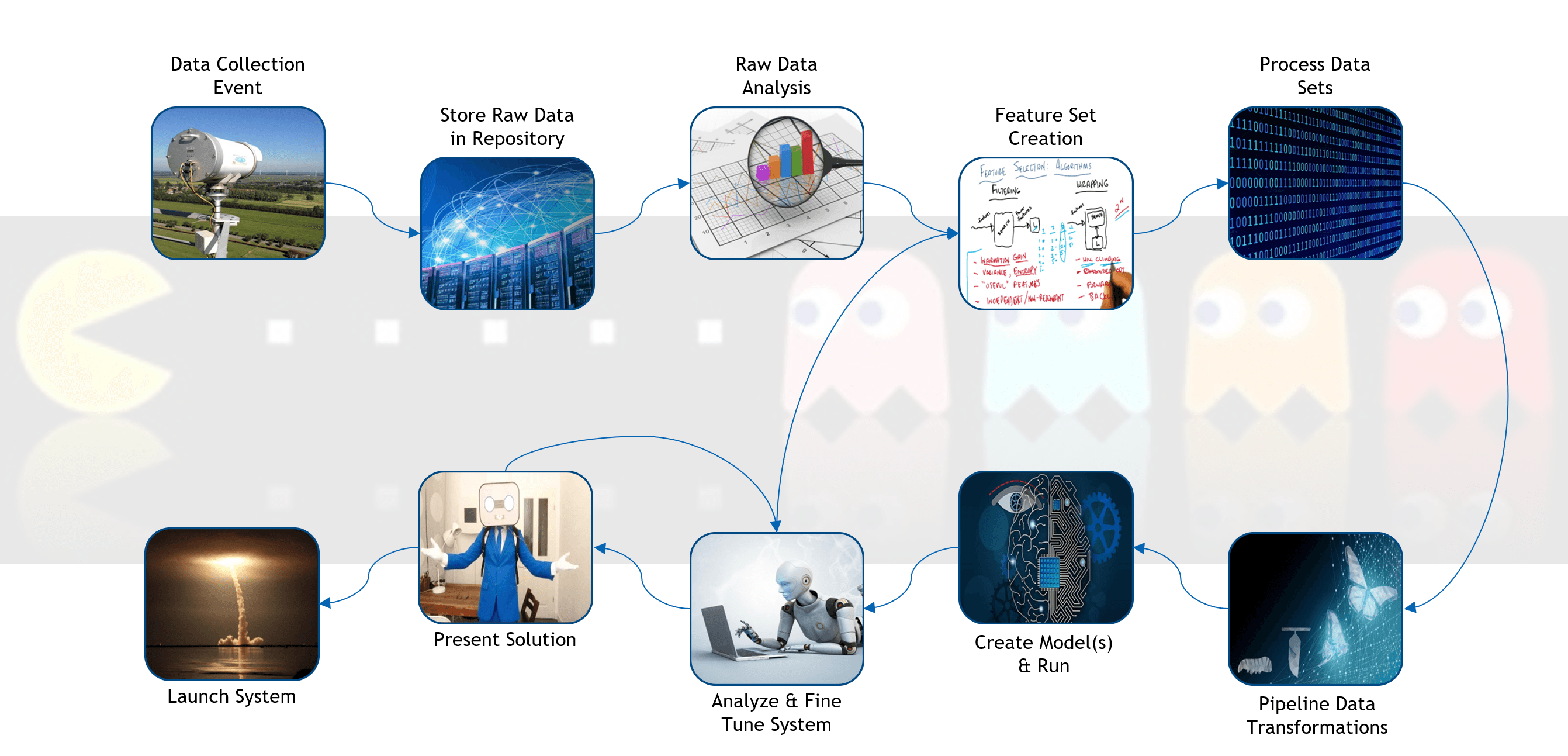
High Energy Laser AI/ML
End-to-end supervised machine-learning pipeline for atmospheric prediction supporting HEL weapon systems — data ingestion through model training and evaluation with ANN/RNN architectures on large scientific datasets — alongside SIL working-group leadership for HEL integration and verification programs.
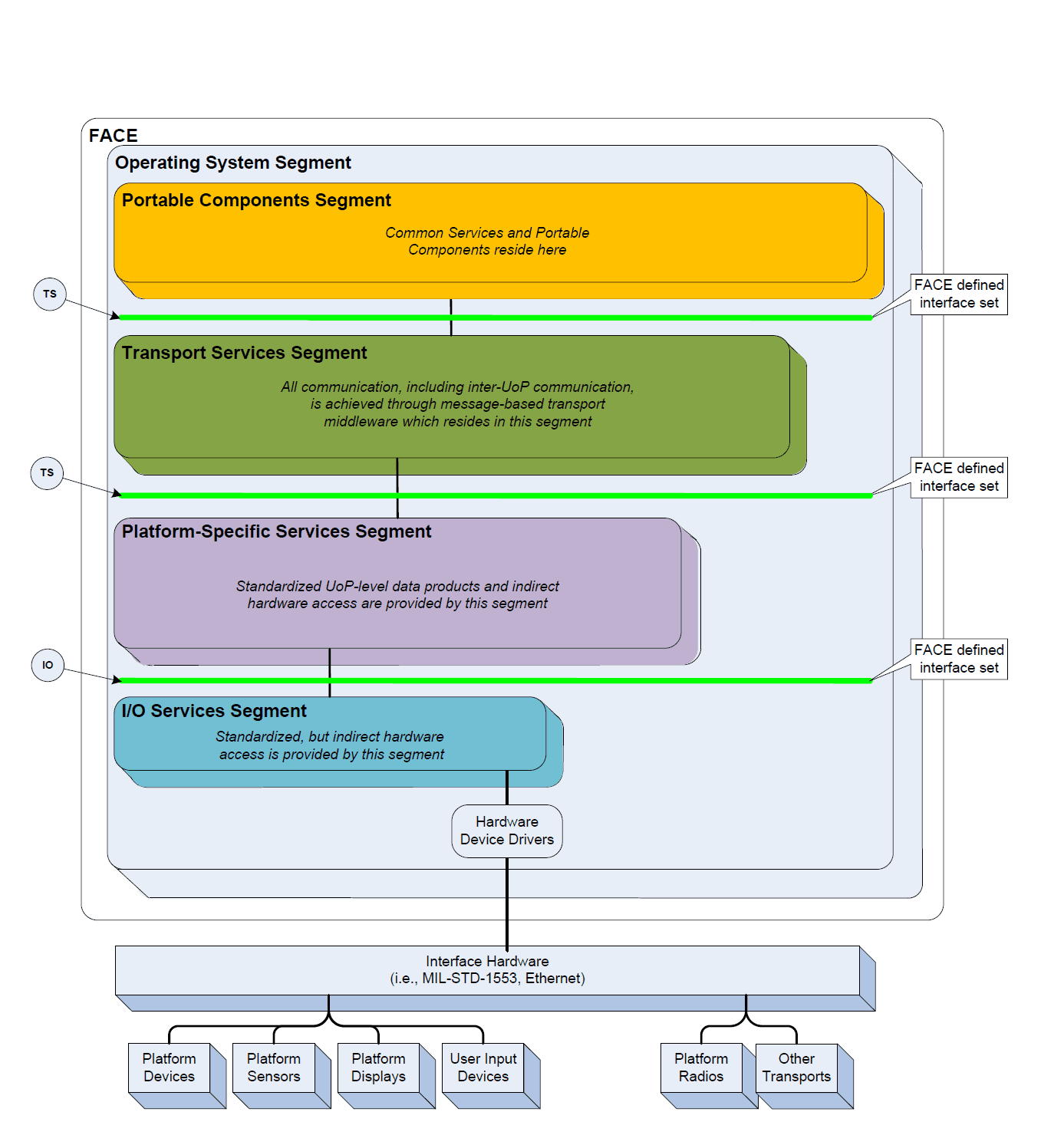
FACE architecture & development
Architecture and development in FACE-conformant environments across two programs: a C++ FACE/TSS messaging translation layer bridging backend protocols to modern web front-ends for autonomous systems, and FACE-aligned ground control station software for Army UAS.
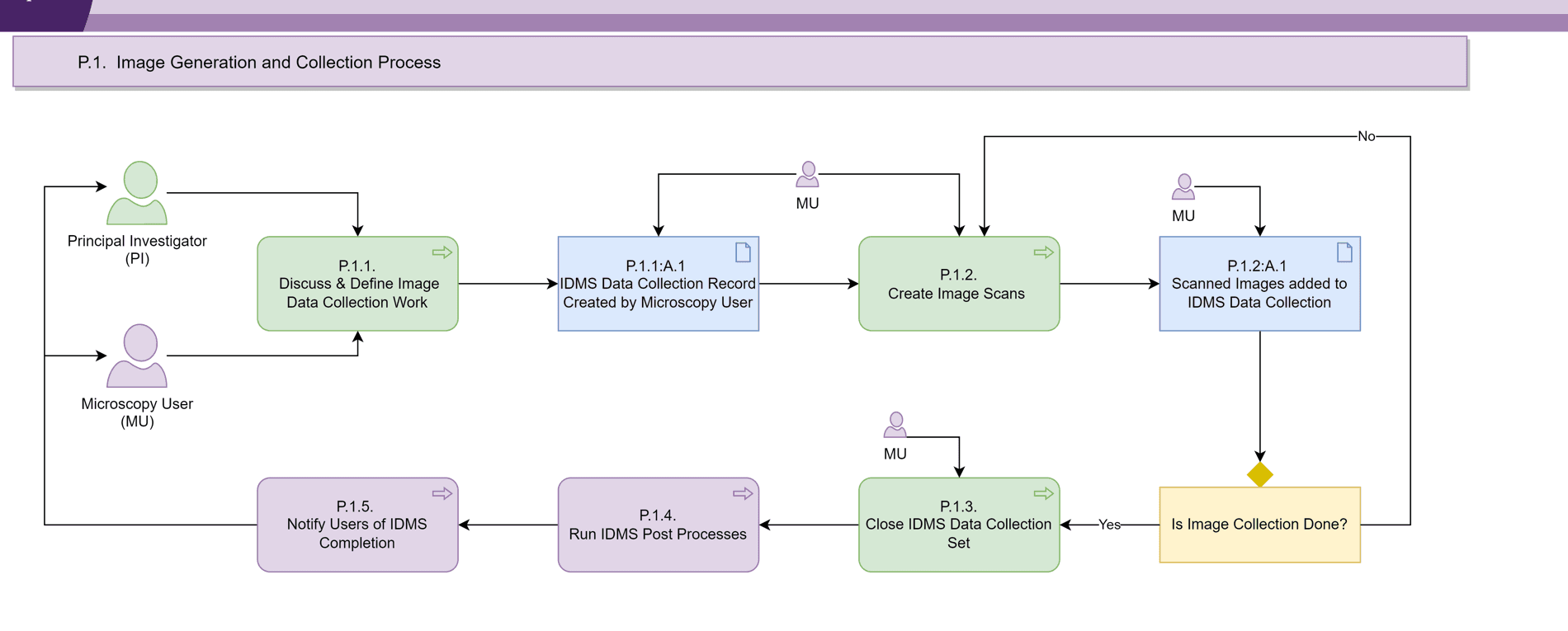
Image Database Management System
Architected IDMS — a large-scale integration platform unifying heterogeneous scientific image backends behind a single REST API and microservice layer, with async ingestion and metadata pipelines — architected for use in pediatric cancer research workflows.